The materials below document ReCAP's public communications activity between December 2016 and June 2018. They cover event presentations, press coverage, and project outreach produced by the consortium — NMR, Tools On Air, Nablet, and Joanneum Research — under the EU Horizon 2020 Programme (grant agreement No 732461).
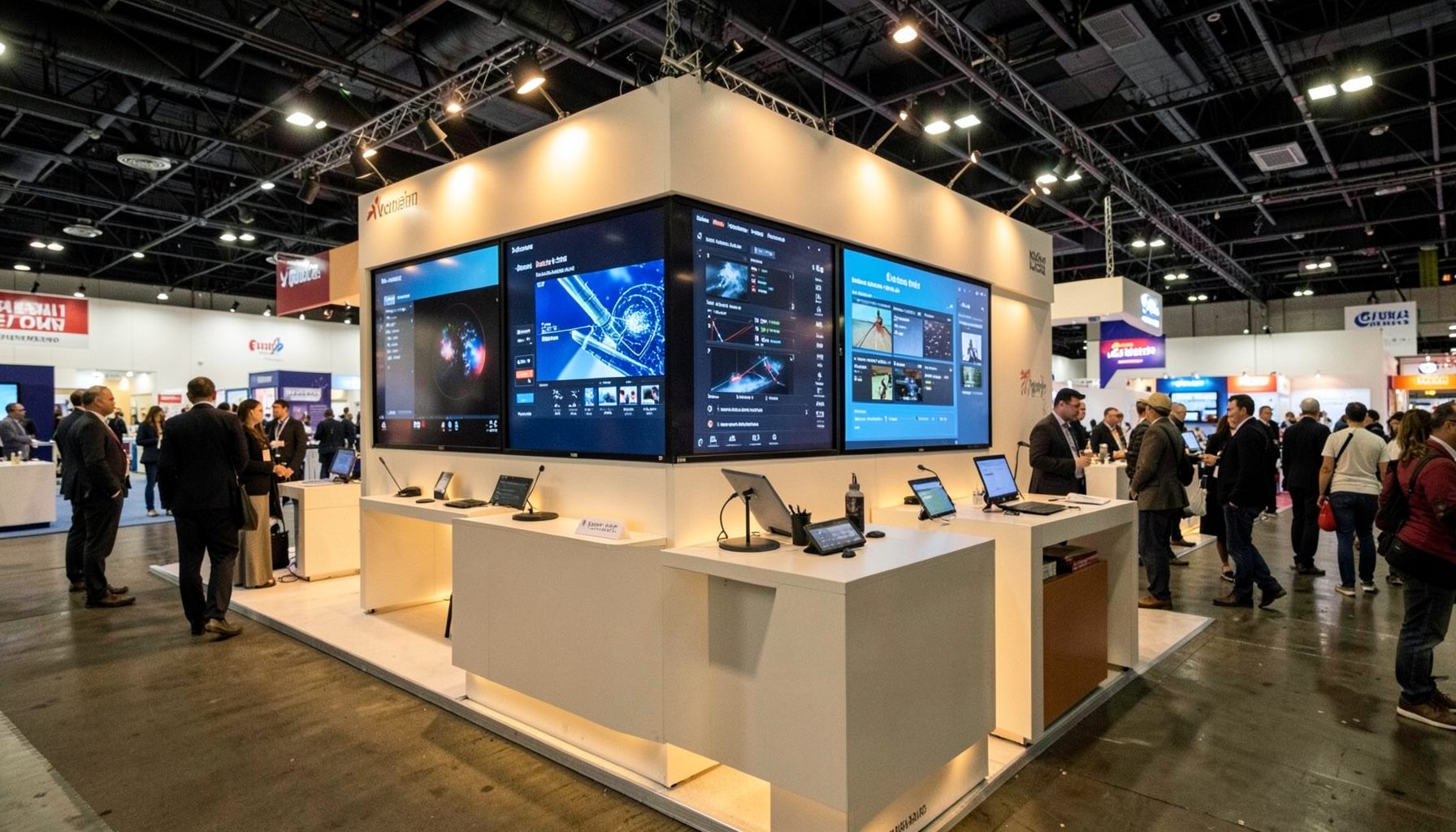
NAB 2017 Proof-of-Concept Demo
A working prototype demonstrated at NAB 2017 Futures Park, Booth N1639FP, Las Vegas — the consortium's first public debut of the ReCAP AI platform.
April 2017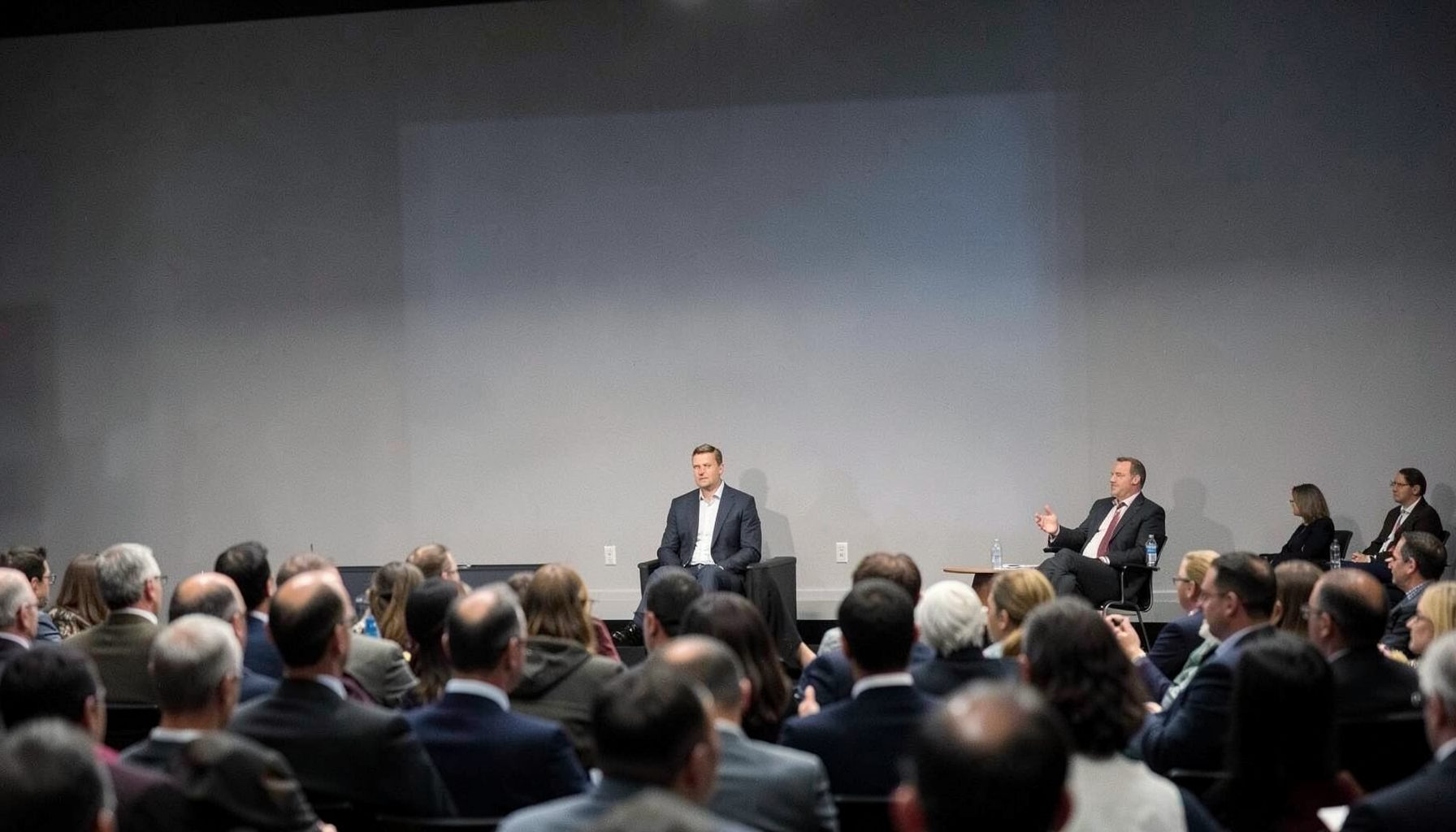
BVE 2018 Presentation
The ReCAP project was presented at BVE 2018 on 28 February 2018, showcasing platform progress to the UK broadcast and media technology community.
February 2018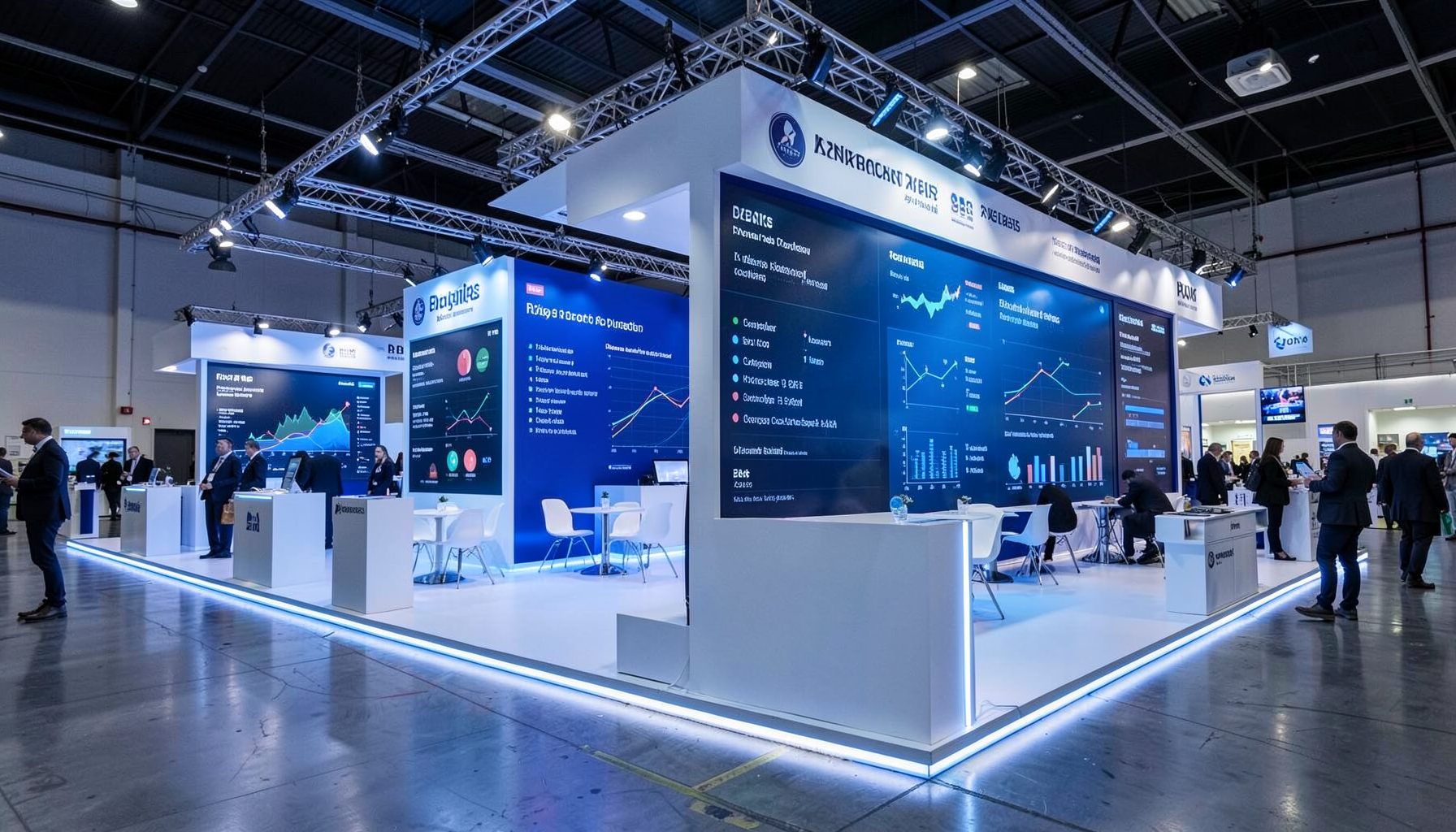
NAB 2018 Exhibition
The ReCAP team exhibited on the ToolsOnAir booth SL14813 at NAB 2018 on 9 April 2018, presenting the platform's content analysis capabilities.
April 2018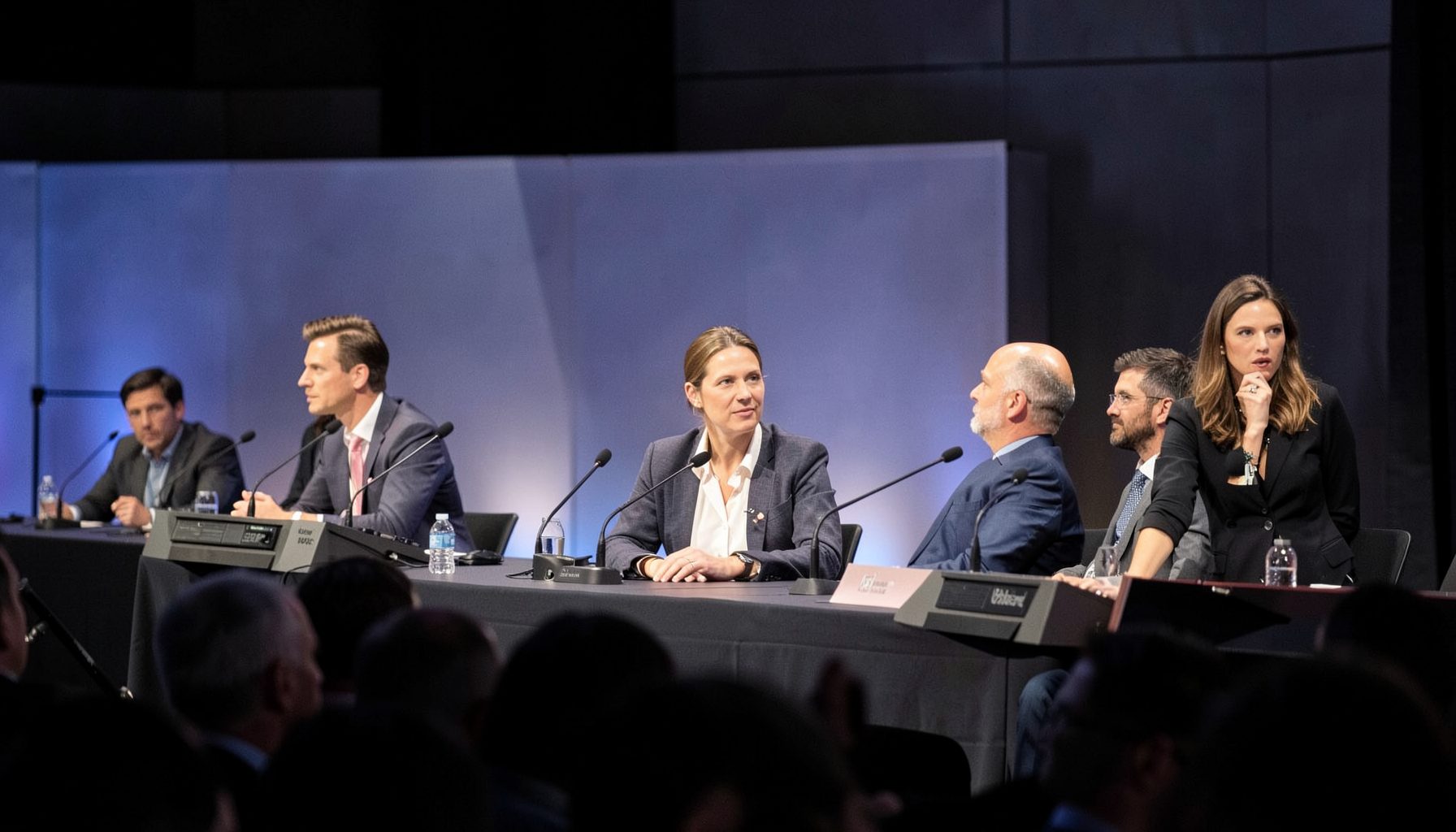
AI Panel — Media Production Show 2018
Neil Anderson represented ReCAP on the Artificial Intelligence Panel at the Media Production Show 2018 on 11 June 2018.
June 2018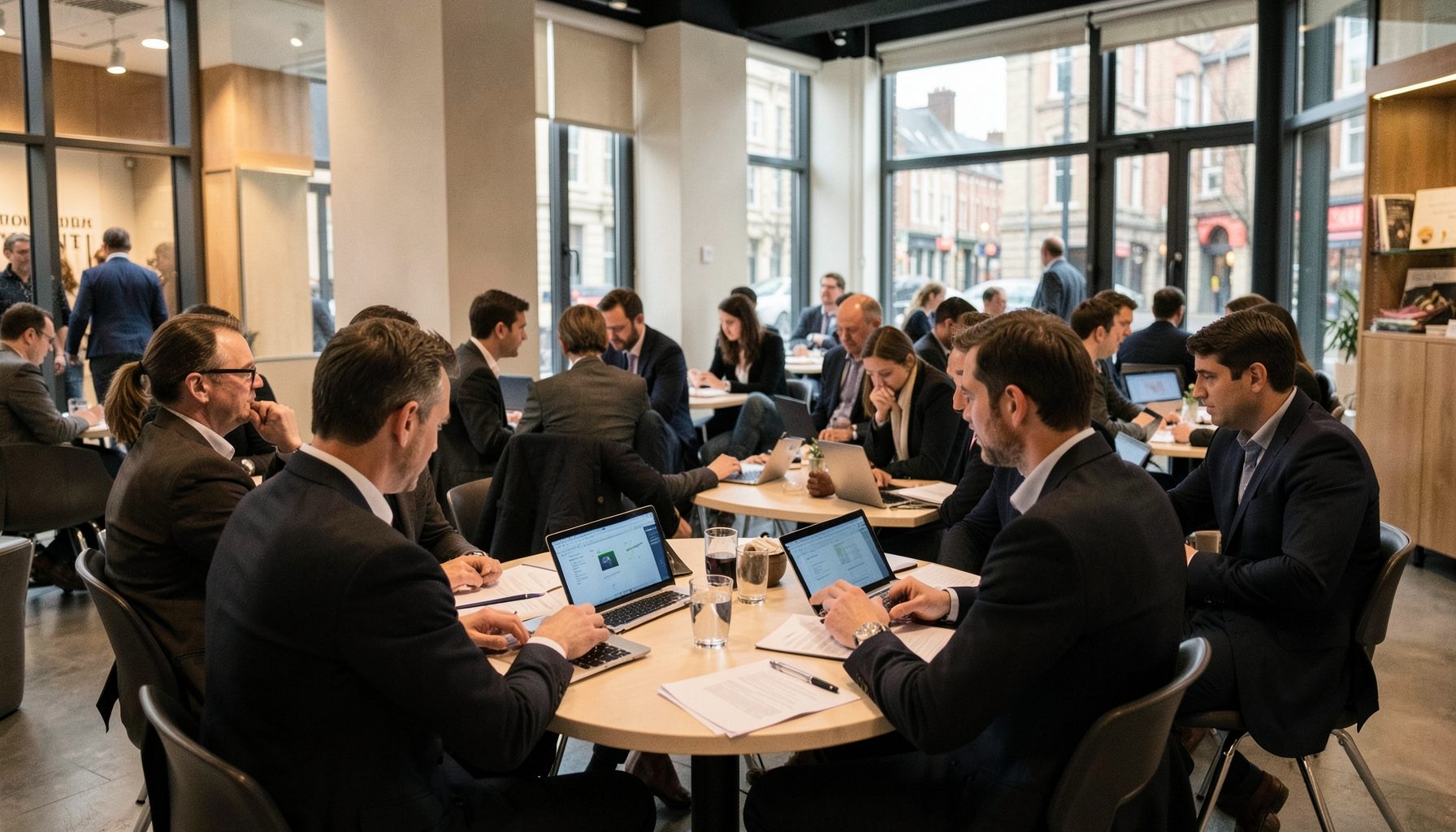
HPA Creative Tech UK 2018
NMR exhibited ReCAP results at HPA Creative Tech UK 2018 in London on 27 June 2018, sharing outcomes from the completed project.
June 2018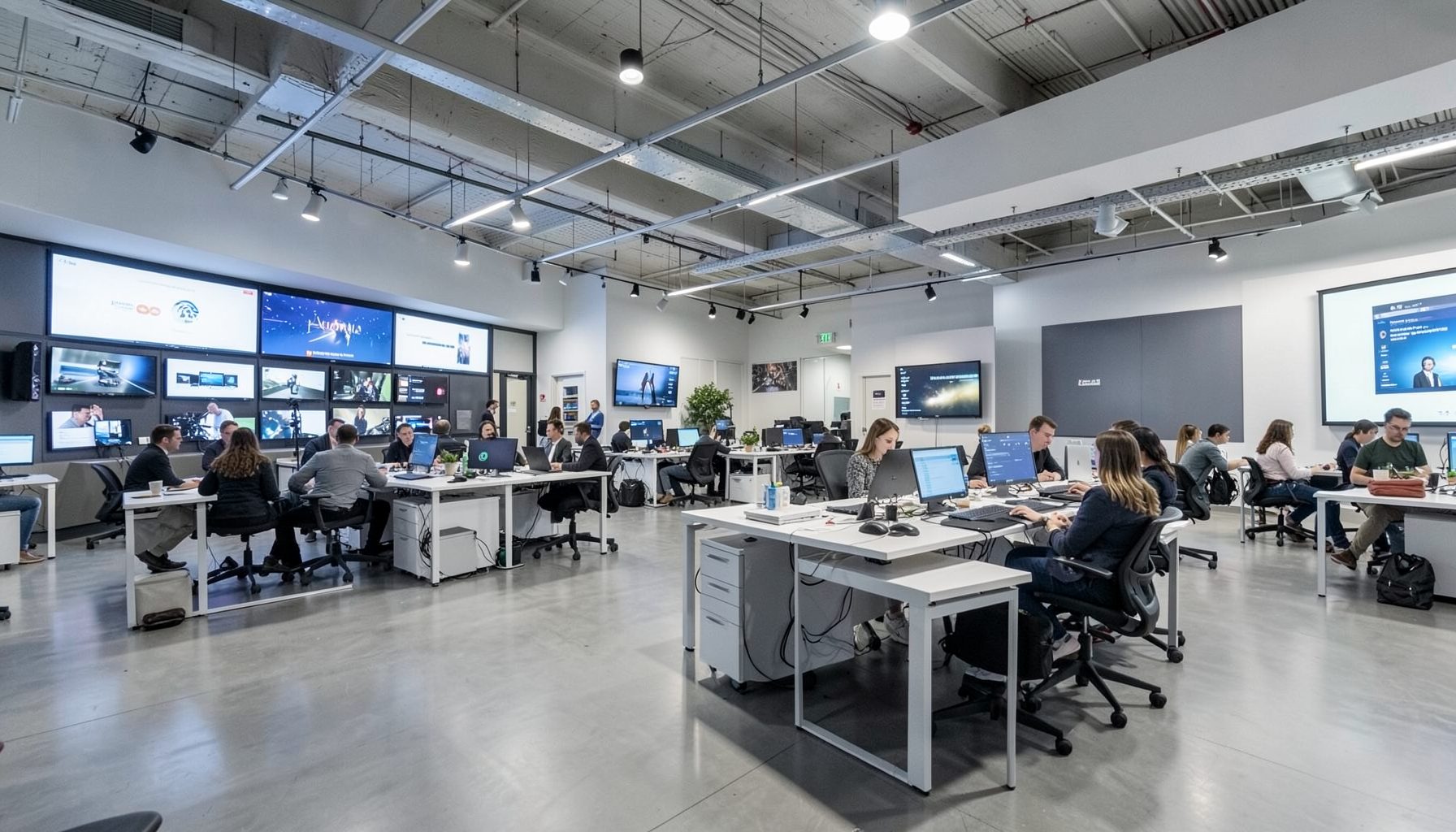
dock10 Innovation Day
The ReCAP team participated in dock10 Innovation Day in Manchester on 28 June 2018, one of the project's final public engagements.
June 2018Press Coverage & Publications
| Date | Publication / Outlet | Description |
|---|---|---|
| 28 Apr 2017 | IBC 365 | Reported on the ReCAP prototype demonstrated at NAB 2017. |
| 13 Sep 2017 | vidispine.com | Blog post "We Need Smarter MAM" by Alex Buchanan, COO at NMR, covering Media Asset Management themes central to the ReCAP project. |
| 19 Apr 2018 | Broadcastnow.com | Feature "AI goes mainstream at NAB" covering the ReCAP platform among other AI developments at NAB 2018. |
Key Project Milestones
| Date | Event |
|---|---|
| 1 Dec 2016 | NMR-led consortium awarded approximately €1 million in EU Horizon 2020 funding. |
| 19 Apr 2017 | Proof-of-concept AI debuted at NAB 2017 Futures Park, Booth N1639FP, Las Vegas. |
| Oct 2017 | ReCAP team participated in UK Trade & Industry LA Round Table. |
| 25 Jan 2018 | Alex Buchanan gave a ReCAP project update at the NMR Cantemo/Vidispine User Group Meeting. |
| 28 Feb 2018 | ReCAP presented at BVE 2018. |
| 9 Apr 2018 | ReCAP exhibited on ToolsOnAir booth SL14813 at NAB 2018. |
| May 2018 | ReCAP project concluded. |
| 11 Jun 2018 | Neil Anderson represented ReCAP on the AI Panel at the Media Production Show 2018. |
| 27 Jun 2018 | NMR exhibited ReCAP results at HPA Creative Tech UK 2018, London. |
| 28 Jun 2018 | ReCAP team participated in dock10 Innovation Day, Manchester. |
For enquiries about the ReCAP project or its communications materials, please get in touch with the consortium.
info@recap-project.comThis project received funding from the European Union's Horizon 2020 research and innovation programme under grant agreement No 732461.
The ReCAP project set out to address a fundamental challenge facing the media industry: how to manage and enrich vast quantities of audiovisual content in real time. As broadcasters and production companies contend with an ever-expanding array of content sources and delivery platforms, the need for automated metadata generation has become acute. By combining machine learning with scalable processing workflows, the project aimed to transform raw media into searchable, structured assets. This approach not only streamlines archive management but also opens up new possibilities for content discovery and reuse. The consortium's work demonstrated that intelligent automation can bring significant efficiency gains across the content lifecycle.
At the heart of the ReCAP platform lies the concept of real-time content analysis. Traditional media workflows often rely on manual annotation and time-consuming post-production processes. The project sought to change this by developing tools capable of extracting meaningful information from video and audio streams as they are ingested. From speech recognition to visual concept detection, the platform's integrated services were designed to operate at broadcast-grade speed and reliability. This real-time capability is particularly valuable for live production environments, where immediate access to enriched metadata can inform editorial decisions and enhance the viewer experience on the fly.
The consortium behind ReCAP brought together complementary expertise from across Europe. Research institutions contributed cutting-edge algorithms and analytical methods, while technology partners focused on practical integration and user interface design. This collaborative structure ensured that the project's outputs were not only technically advanced but also grounded in real-world production requirements. By bridging the gap between academic research and commercial application, the partnership was able to prototype solutions that addressed genuine industry pain points. The result was a platform designed to be flexible enough to support a wide range of media workflows, from broadcast playout to mobile content delivery.
One of the key innovations explored during the project was the automatic generation of rich metadata from heterogeneous content sources. Modern media archives often contain material in multiple formats, languages, and levels of quality, making consistent description a challenge. ReCAP's approach leveraged advanced content analysis to produce standardised metadata regardless of the source material's original characteristics. This capability is essential for organisations looking to unlock the value of historical archives alongside newly produced content. With robust metadata in place, media companies can automate tasks such as compliance logging, rights management, and targeted content recommendation, all of which depend on accurate and timely data.
The impact of the ReCAP project extends beyond the lifetime of its funding period. The tools, workflows, and analytical methods developed by the consortium have informed subsequent innovations in media technology. As the industry continues to evolve toward more agile, data-driven production models, the foundational work carried out under the Horizon 2020 programme remains relevant. The challenges of content volume, variety, and velocity have only intensified, reinforcing the importance of automated analysis and metadata enrichment. By demonstrating what is possible when research and industry collaborate effectively, ReCAP has contributed to a broader shift toward intelligent, scalable content processing solutions.